Look closely at cells
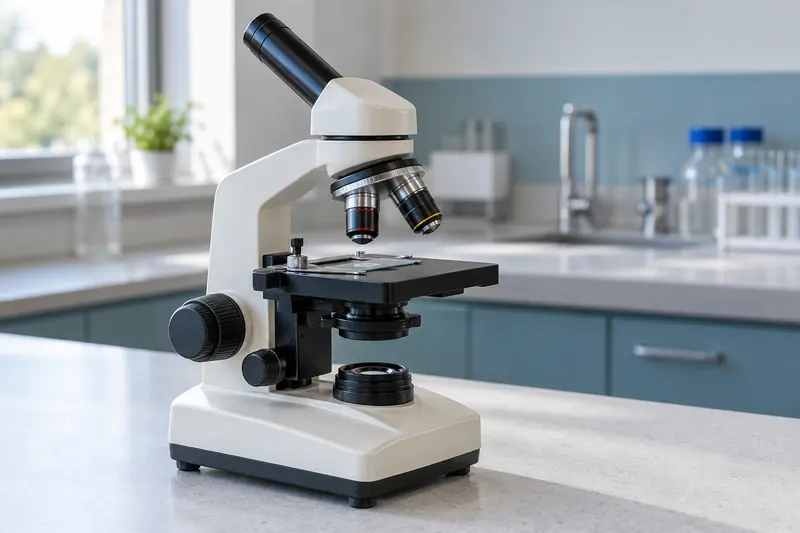
A light microscope makes small structures easier to see. Magnification tells you how much bigger the image is. Resolution tells you how clearly two nearby details can be seen as separate.
We count page views and activity totals to improve these resources. Usage statistics and choices
Look closely, ask a question, then follow the science into a lesson. These illustrations connect cells, materials and physical changes with things you can recognise.
Read the captions, then try the questions before opening the answers.
A light microscope makes small structures easier to see. Magnification tells you how much bigger the image is. Resolution tells you how clearly two nearby details can be seen as separate.
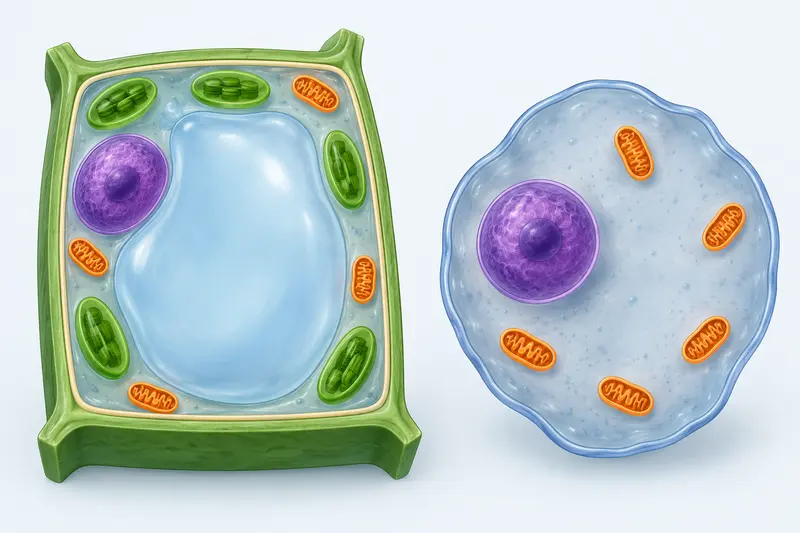
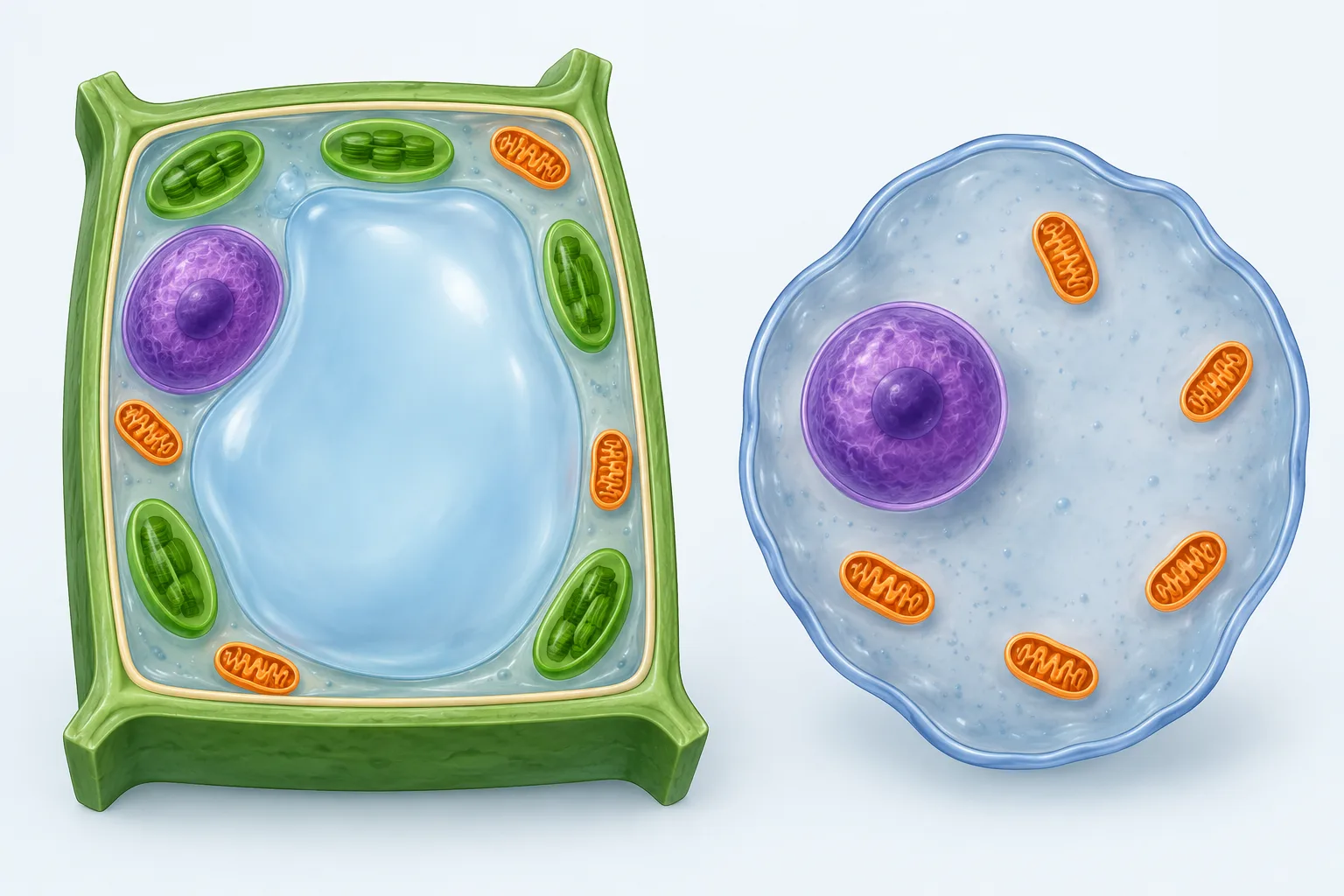
The left model represents a photosynthetic plant cell. The right represents an animal cell. Colours and sizes are simplified.
Does having chloroplasts mean a plant cell does not need mitochondria?
No. Photosynthetic plant cells also respire. Mitochondria are involved in aerobic respiration in both plant and animal cells.
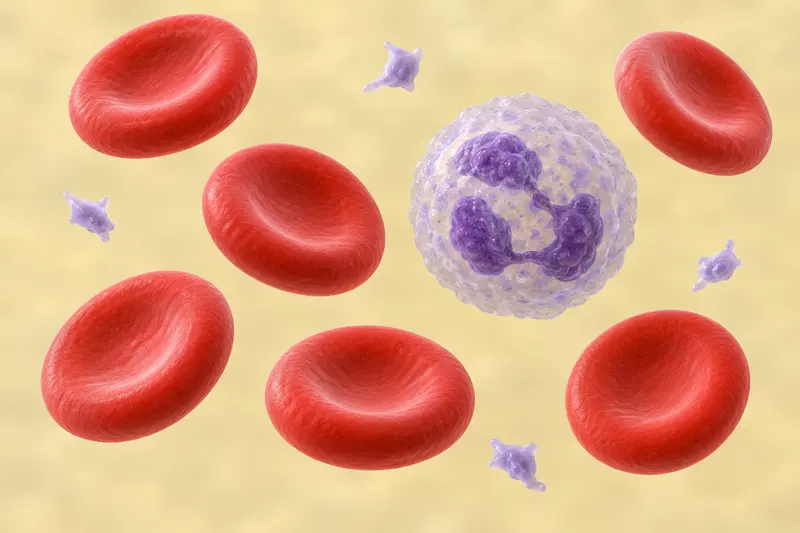
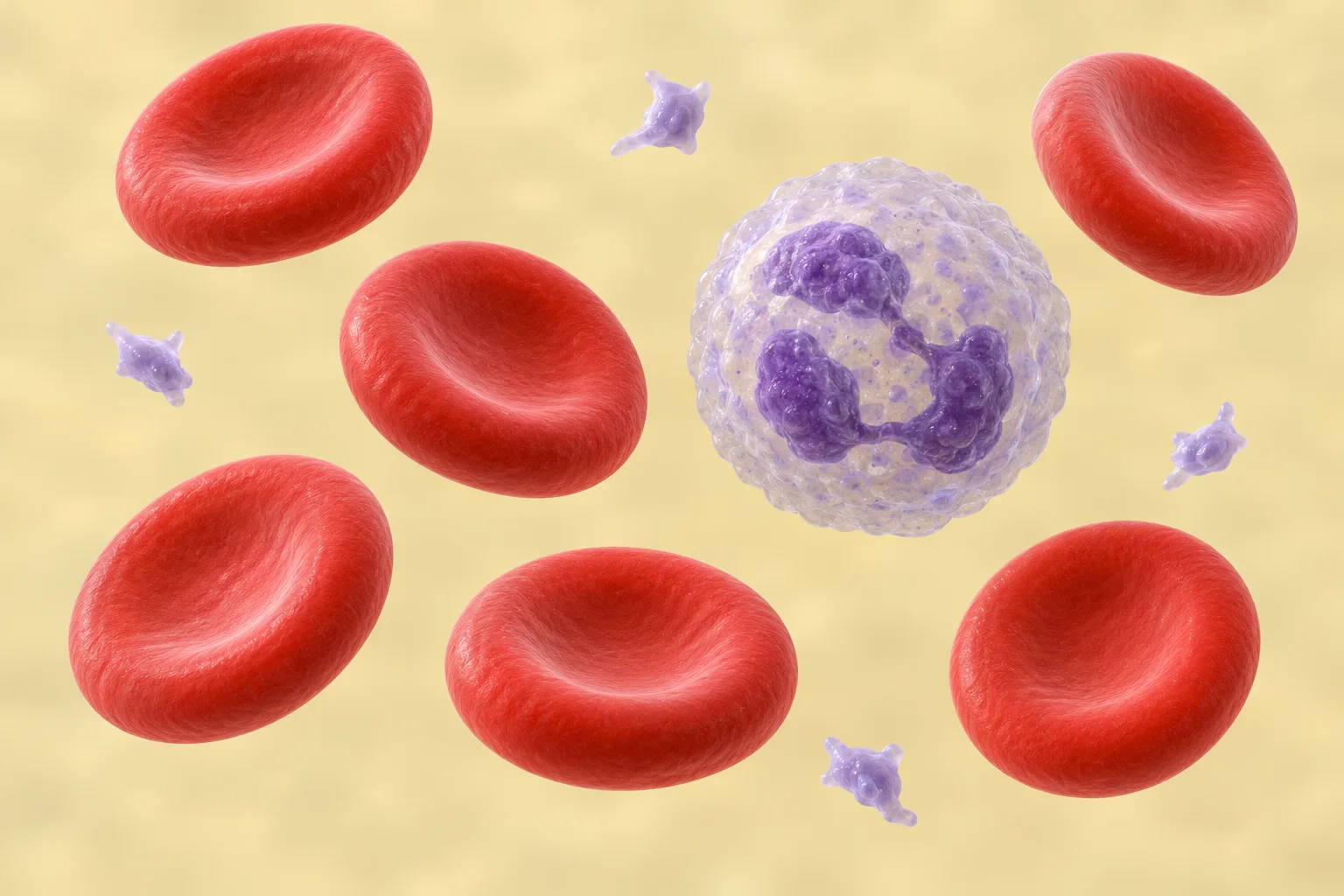
Mature human red blood cells are biconcave discs without nuclei. The white cell shown is one type with a lobed nucleus; platelets are small cell fragments.
Would a picture of a few blood cells tell you a person’s blood-cell counts?
No. This model shows some shapes and roles. Counting blood components requires a measured sample and a suitable method.
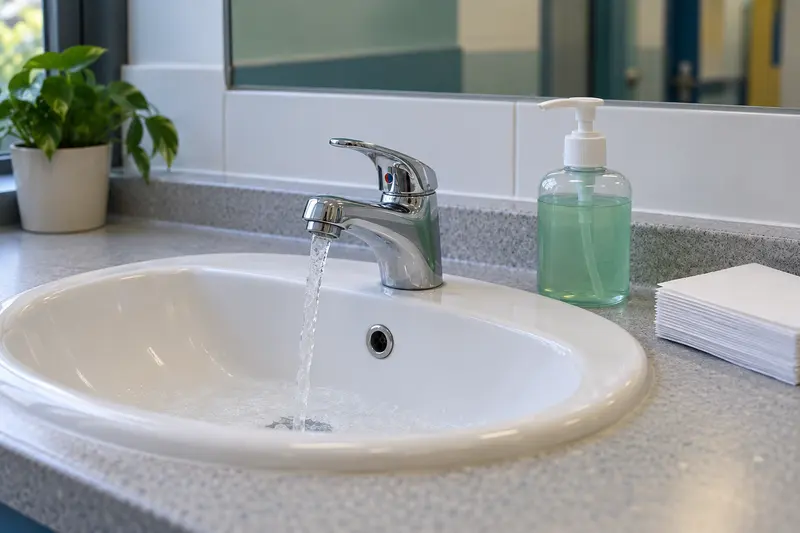
Washing hands with soap and water helps remove microbes. Reducing transfer between people can interrupt a route by which an infection spreads.
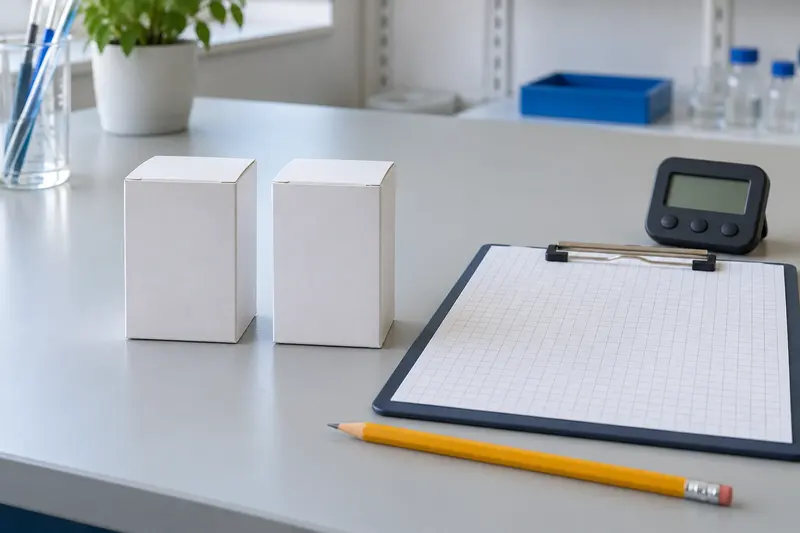
Similar packaging can hide which treatment a person receives. This is called blinding. A trial also needs suitable comparison groups, measurements and checks for unwanted effects.
Would identical packaging alone make a clinical comparison fair?
No. The groups could differ in other ways. How people are put into groups, how many take part, and how their results are measured also affect the conclusion.

Working muscles transfer energy and release heat. The body controls its temperature and water balance as activity changes.
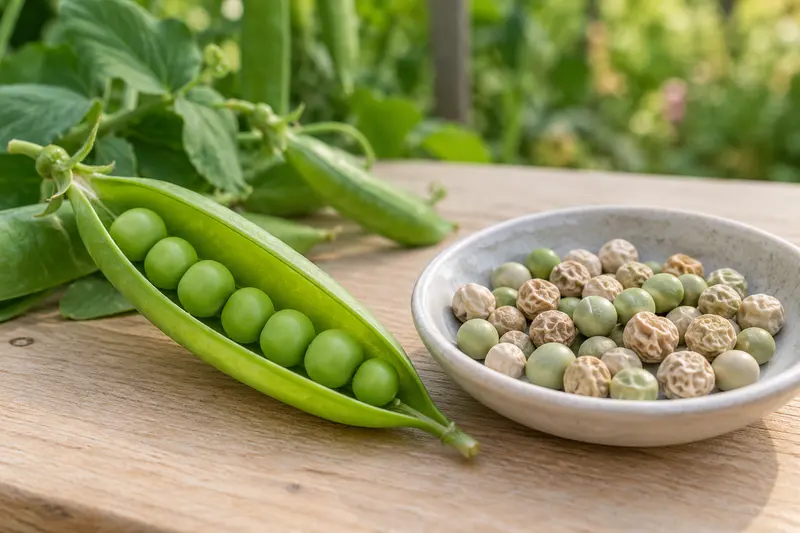
Smooth and wrinkled pea seeds show variation in seed shape. To study how this feature is inherited, scientists count the offspring from known crosses.
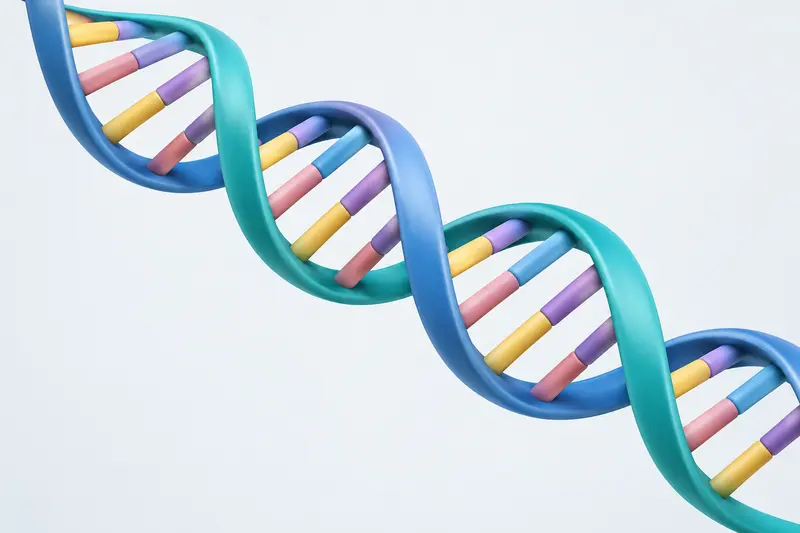
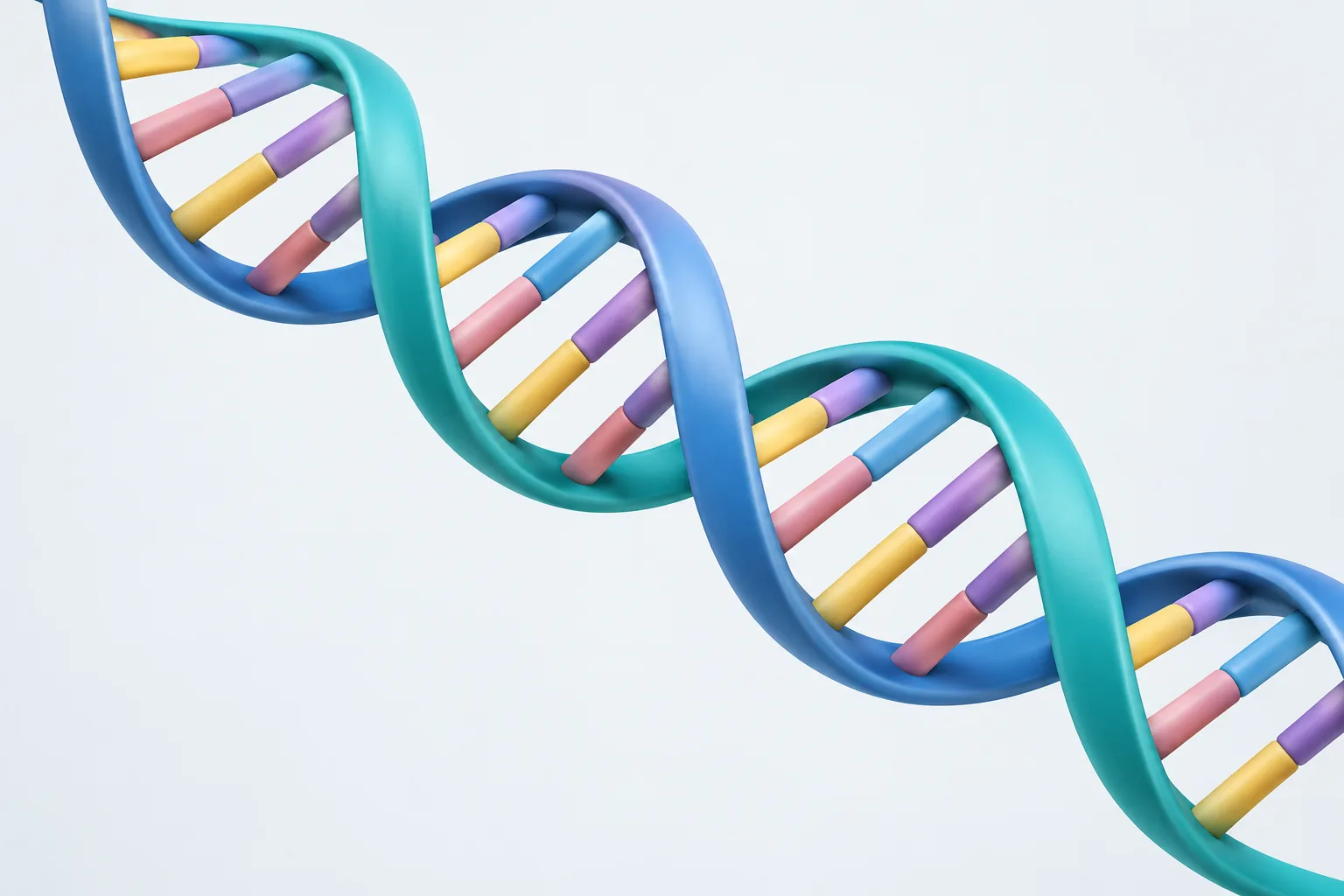
DNA has two strands. Paired bases join the strands inside the helix. This model shows the overall arrangement, not a complete chemical structure.
Where is the information that distinguishes one DNA sequence from another?
In the order of the bases. The general double-helix shape can be similar even when base sequences differ.
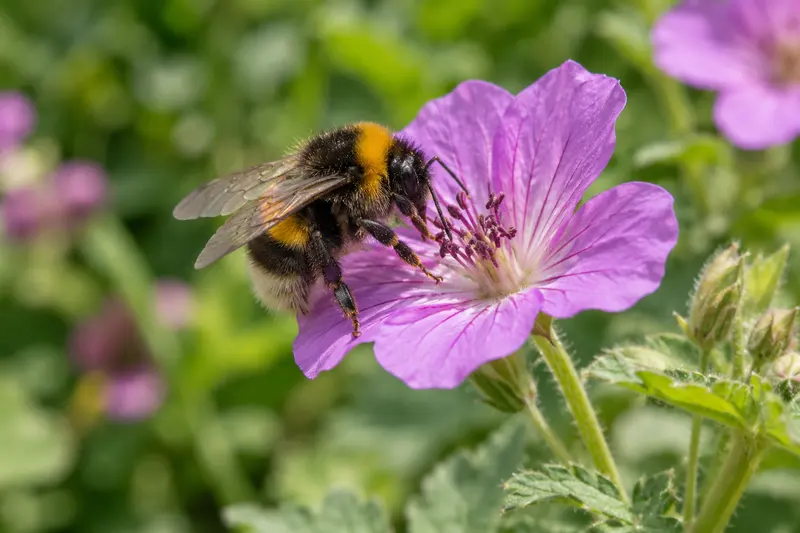
As some insects visit flowers, they transfer pollen. Relationships between species help explain why a change to one population can affect others.
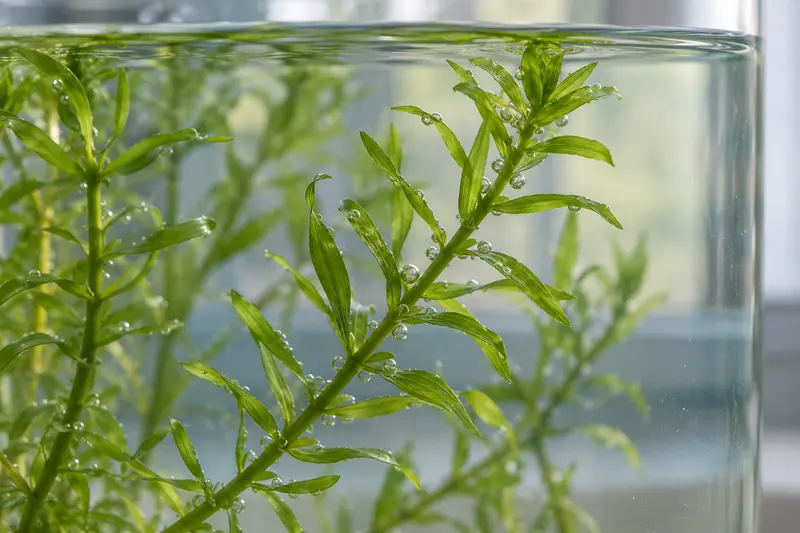
Gas bubbles can form around an aquatic plant. Counting bubbles has limits: their sizes can vary, and appearance alone does not identify the gas.
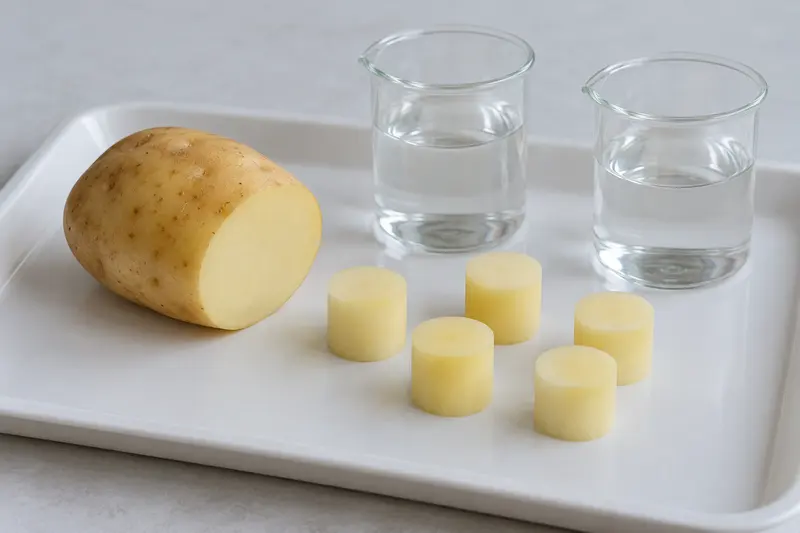
These potato pieces are not all the same length. For a fair comparison of solution concentration, choose pieces with matching starting dimensions.
Which other conditions should be kept the same when comparing mass changes?
Use the same tissue source, soaking time and temperature, with enough solution. Blot surface liquid consistently before weighing and calculate percentage change from each starting mass.
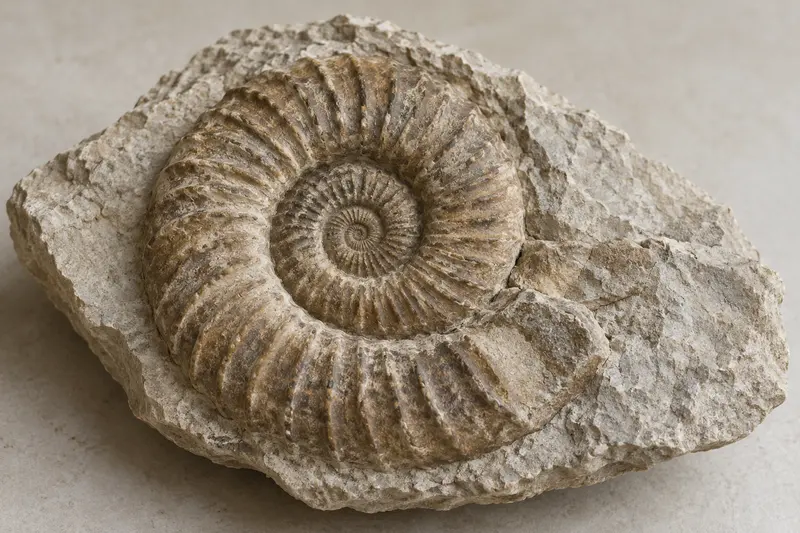
Fossils preserve signs of past life. Scientists compare fossils from different rock layers to investigate how living things have changed.
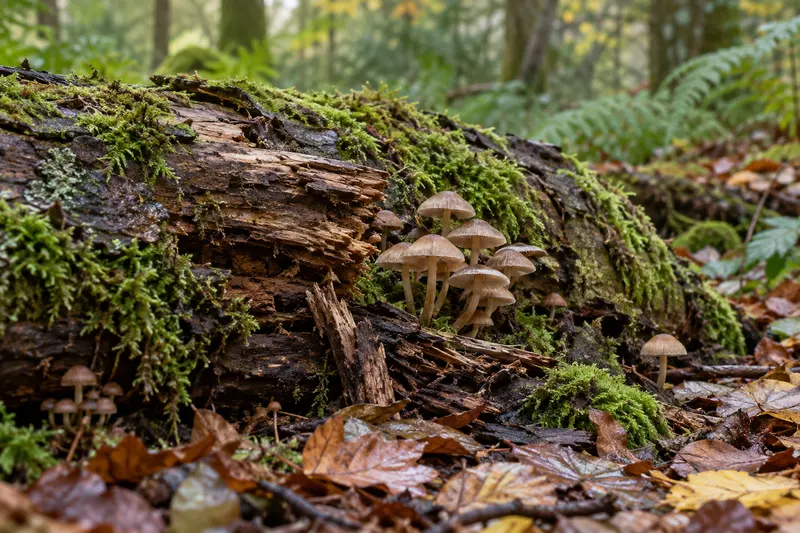
Decomposers break down dead material. Their activity helps return substances to the environment, where other organisms can use them.
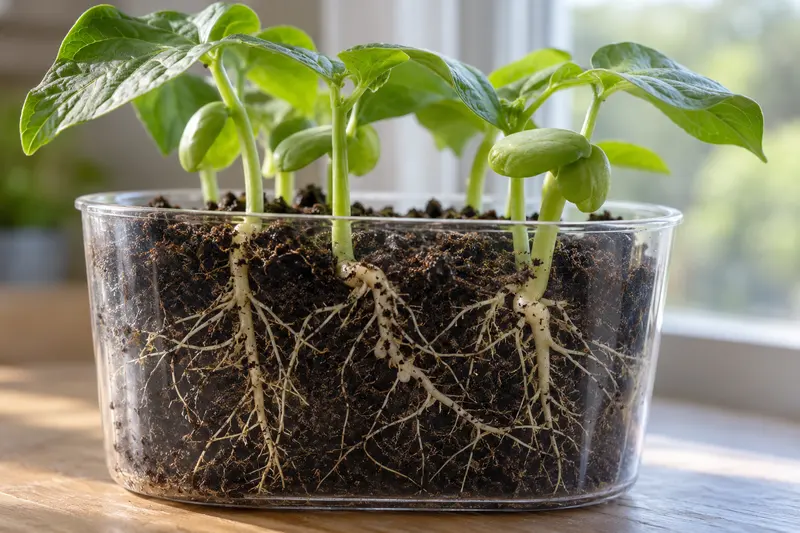
A growing seedling produces new cells by division, and cells also enlarge. Different cells become specialised for jobs such as absorbing water or transporting substances.
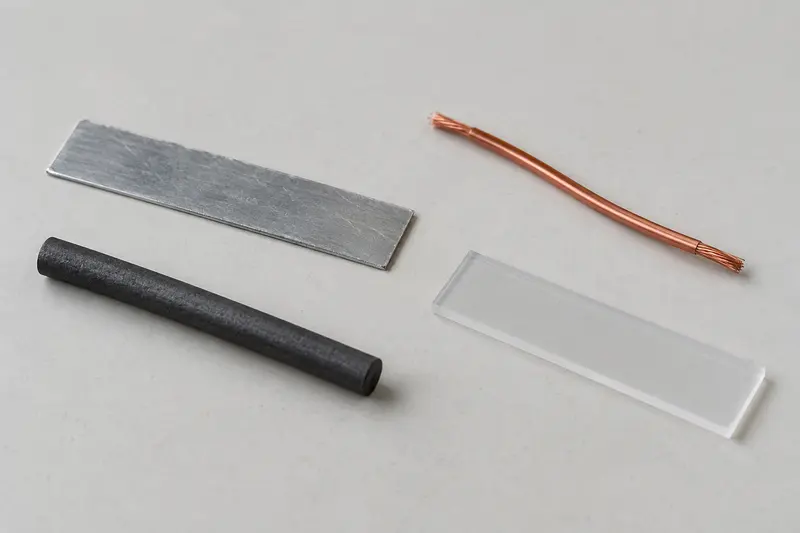
Some materials conduct electricity well. Others are useful insulators. Tests let us compare conductivity, strength and other properties.
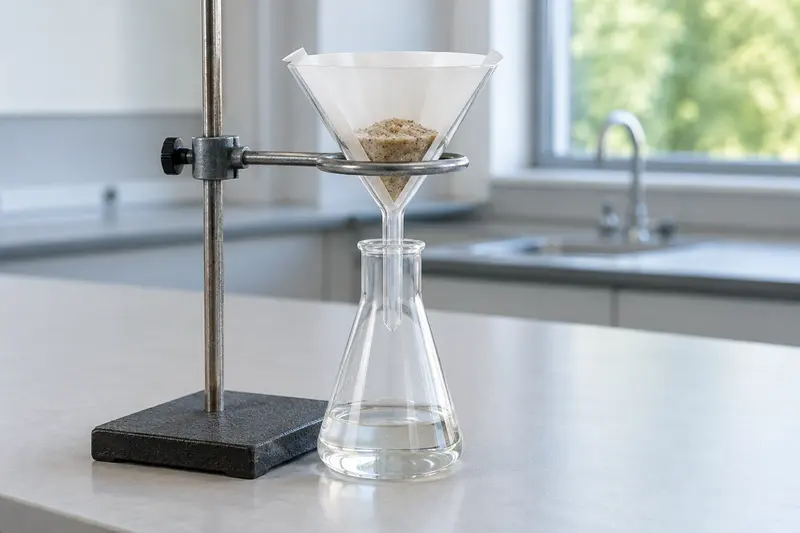
Filter paper retains insoluble solid as residue. Liquid and dissolved substances can pass through into the filtrate.
Would filtering salty water remove the dissolved salt?
No. Dissolved salt passes through ordinary filter paper with the water. A different separation method is needed to recover the salt or collect the water.
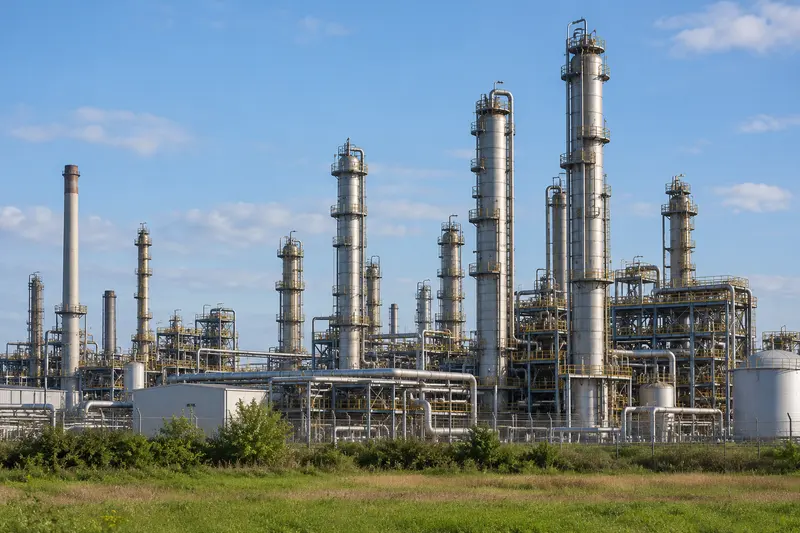
Crude oil is a mixture of hydrocarbons. Fractional distillation separates groups with similar boiling points. Cracking is a different process: it breaks larger molecules into smaller ones.
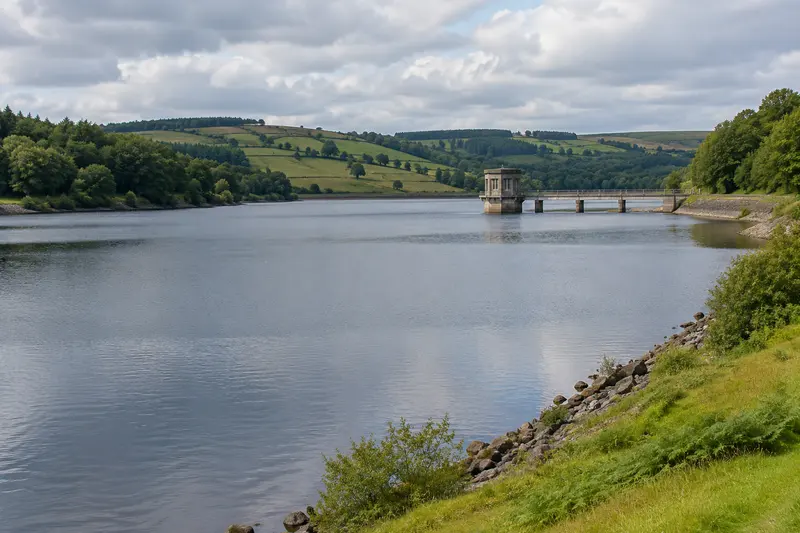
Water from a reservoir may need several treatment stages before supply. Clear appearance does not establish that water is safe to drink.
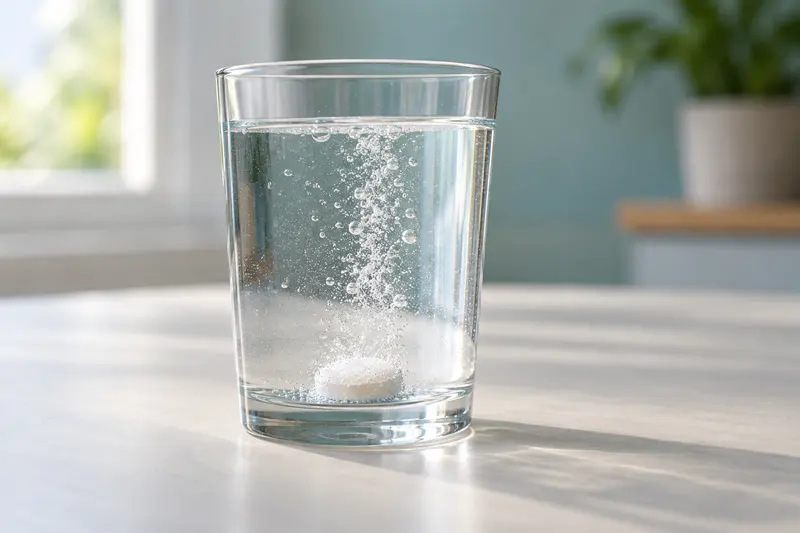
An effervescent tablet releases gas as it reacts in water. To compare rates, measure a suitable quantity over time while controlling relevant conditions.
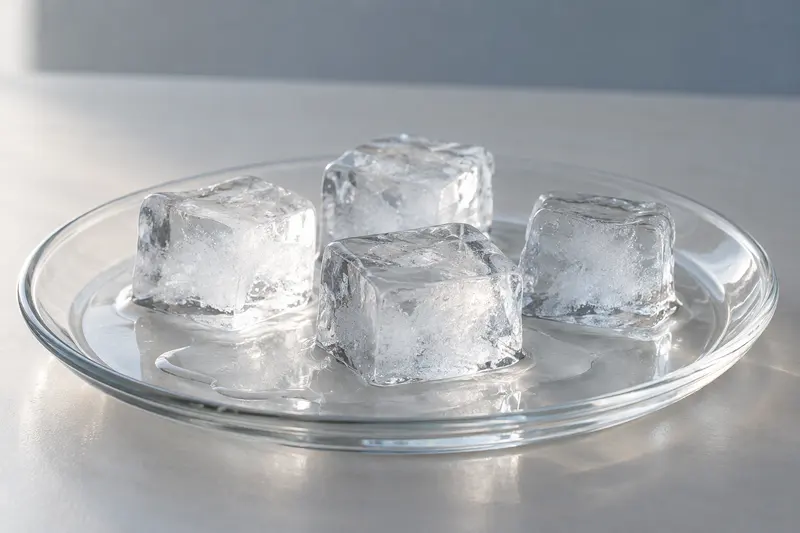
Melting changes the arrangement and movement of particles. The substance remains water; its particles do not become larger as the ice melts.
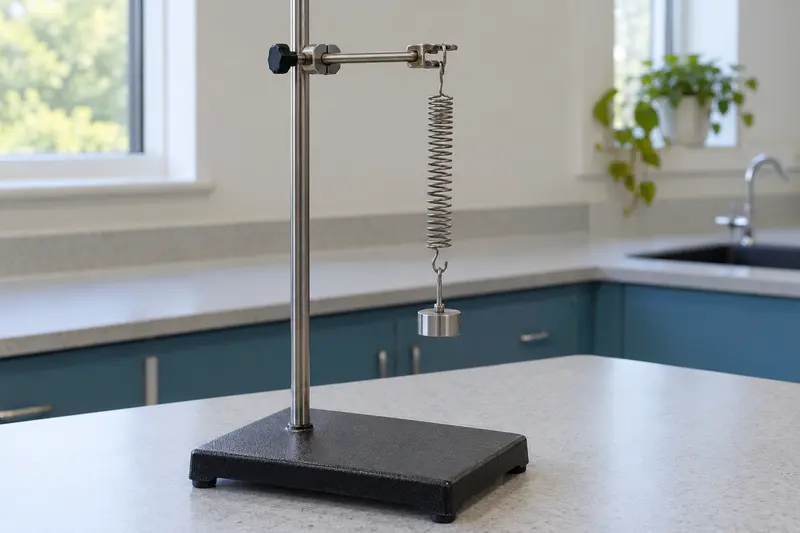
A load can extend a spring. Extension is the loaded length minus the unloaded length, not the spring’s whole length.
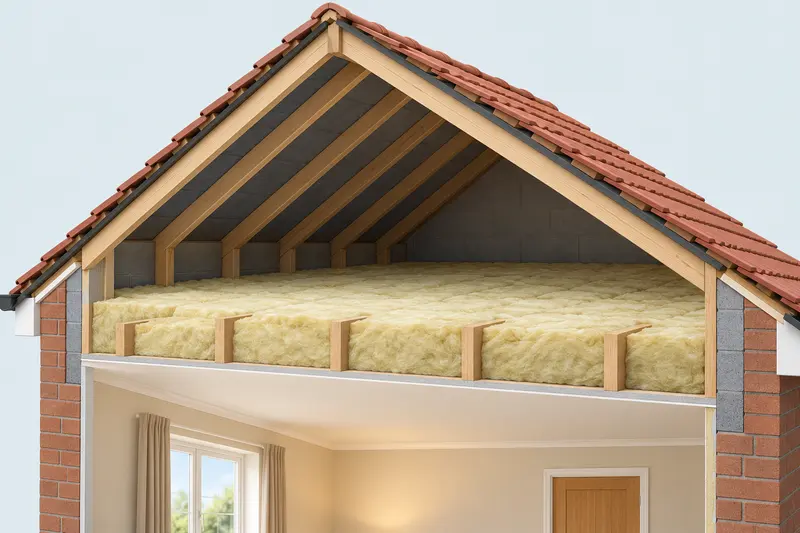
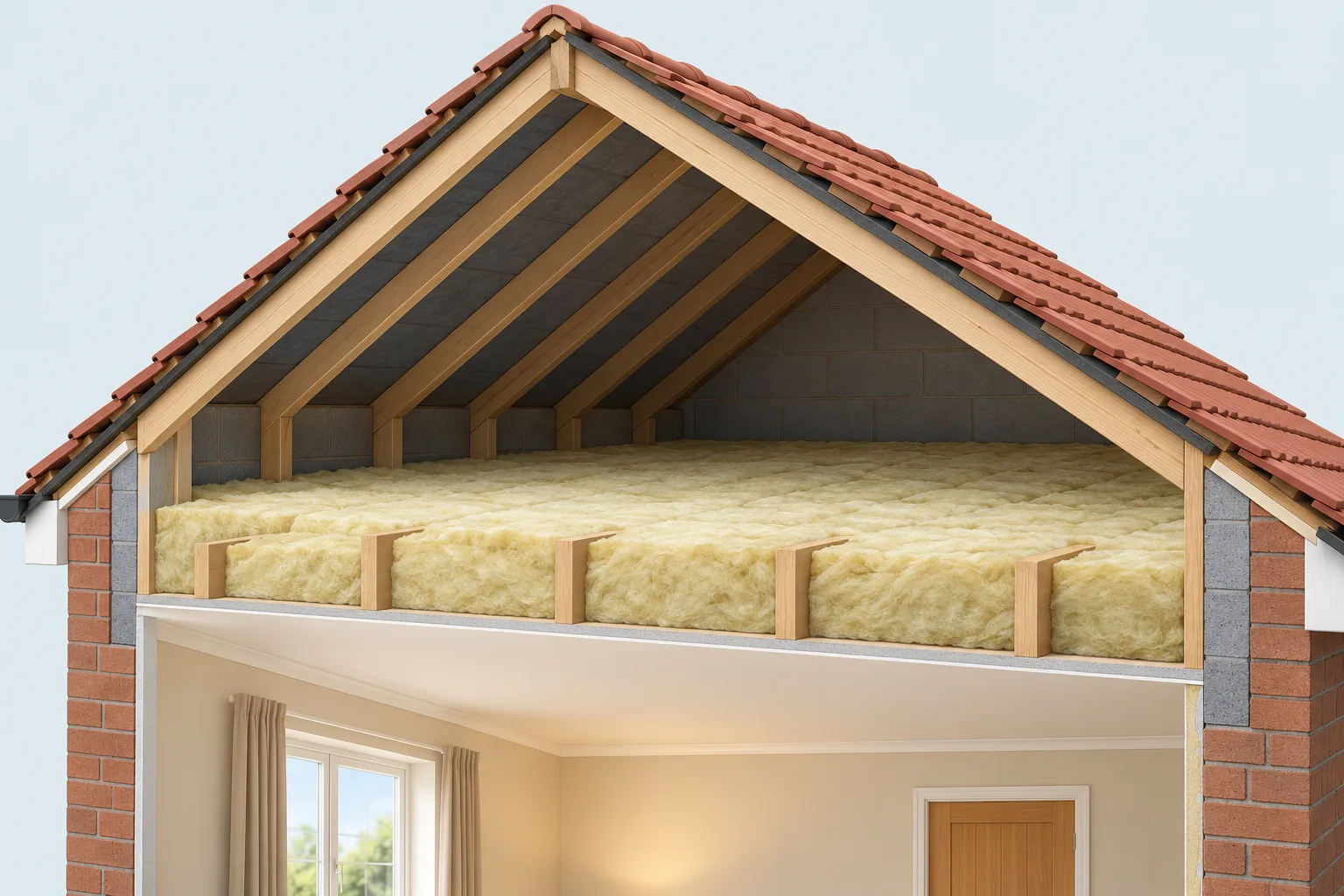
Insulation across a loft floor reduces energy transfer from rooms below. Air trapped within suitable insulation reduces conduction and limits convection.
Does insulation create energy or stop every transfer?
Neither. It reduces the rate of unwanted energy transfer. A heated house still needs energy input and still transfers some energy to its surroundings.
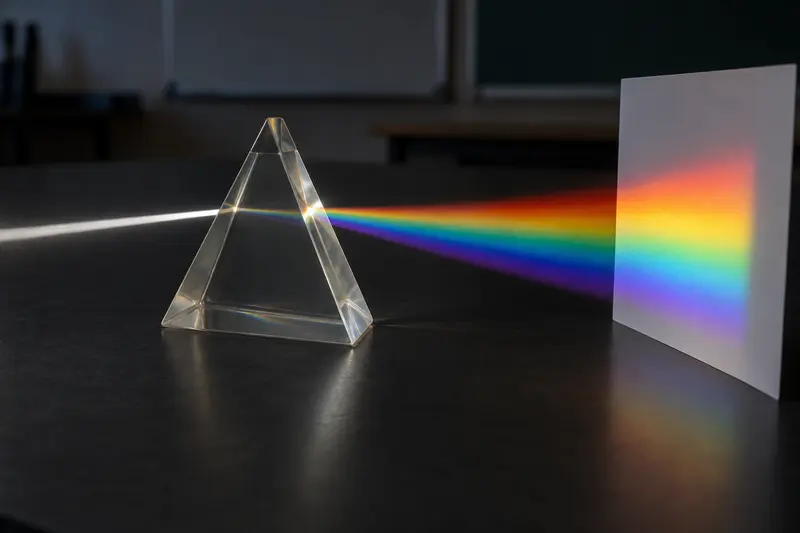
A prism can spread white light into a spectrum because different wavelengths are refracted by different amounts. The colours were already present in the incoming light.
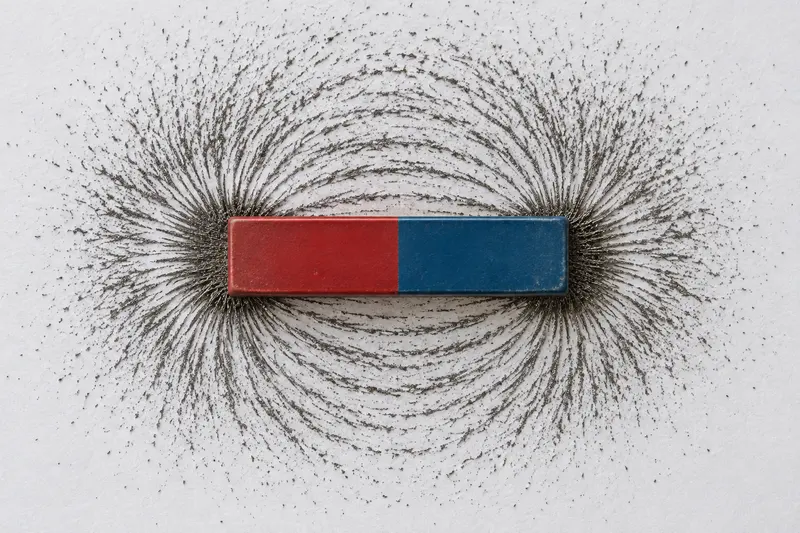
Iron filings align with the local magnetic field and reveal a pattern. They do not supply arrowheads showing field direction.
What could you use to find the field direction at a point?
A small plotting compass. Its north-seeking end points along the local field direction; outside a bar magnet, field lines are drawn from north to south.
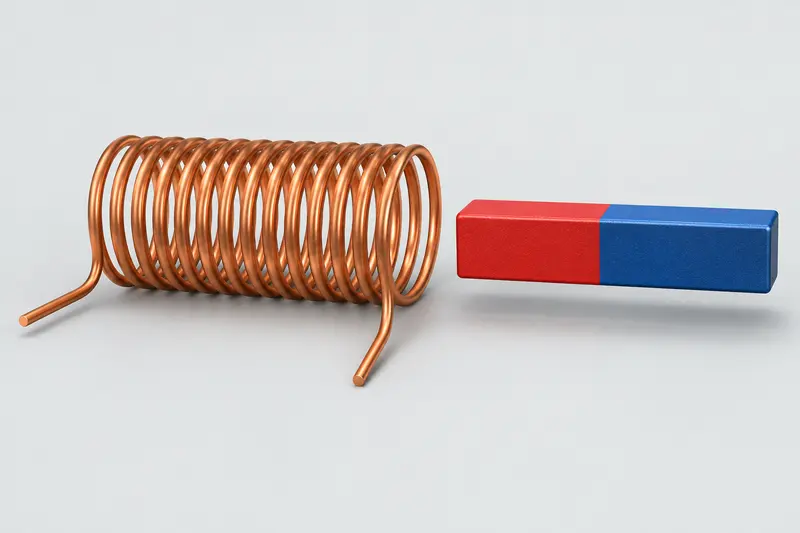
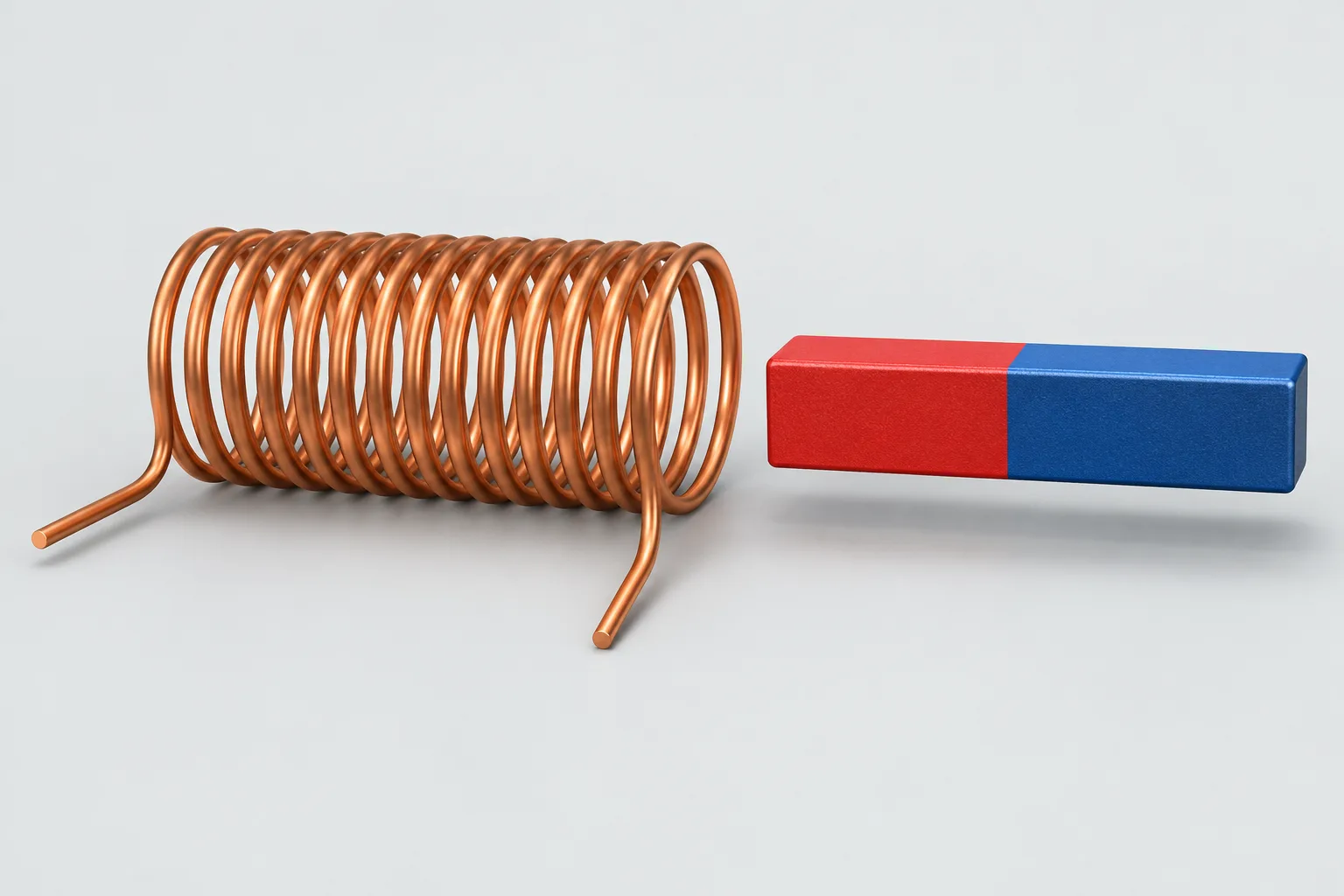
Moving a magnet relative to a coil can change the magnetic field through the coil and induce a potential difference. A stationary arrangement alone does not show induction.
Would the same stationary magnet keep generating a potential difference in a stationary coil?
Not if the magnetic field through the coil stays unchanged. Induction requires a change. A complete conducting circuit is also needed for an induced current.
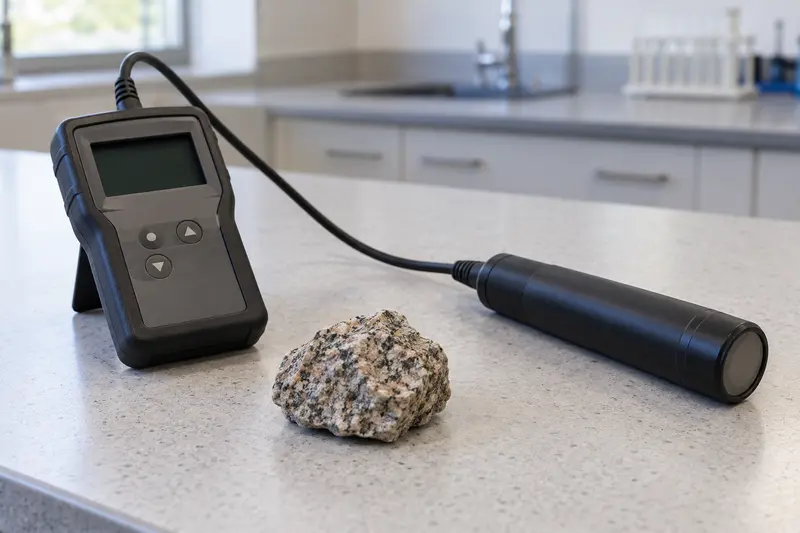
Some rocks contain radioactive isotopes. To investigate a sample, measure the background count as well as counts near the sample.
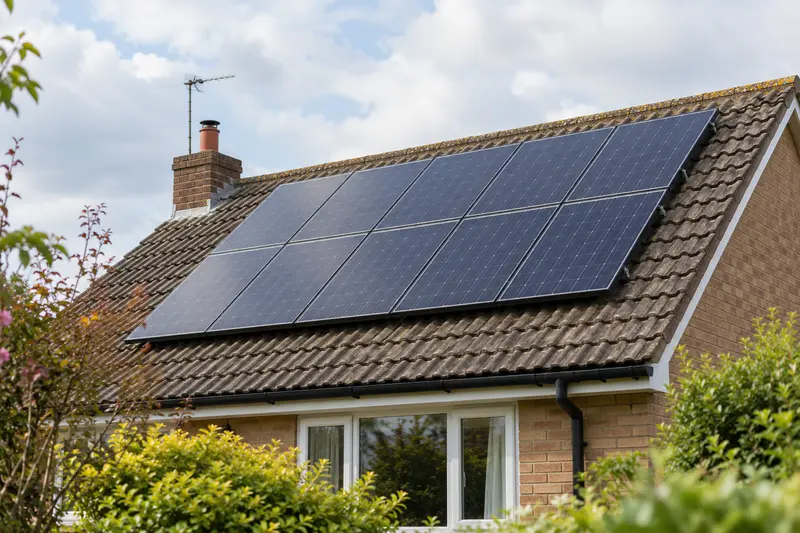
Solar panels generate electricity from sunlight. Their output changes with the light level, so we need to consider how the supply changes over time.
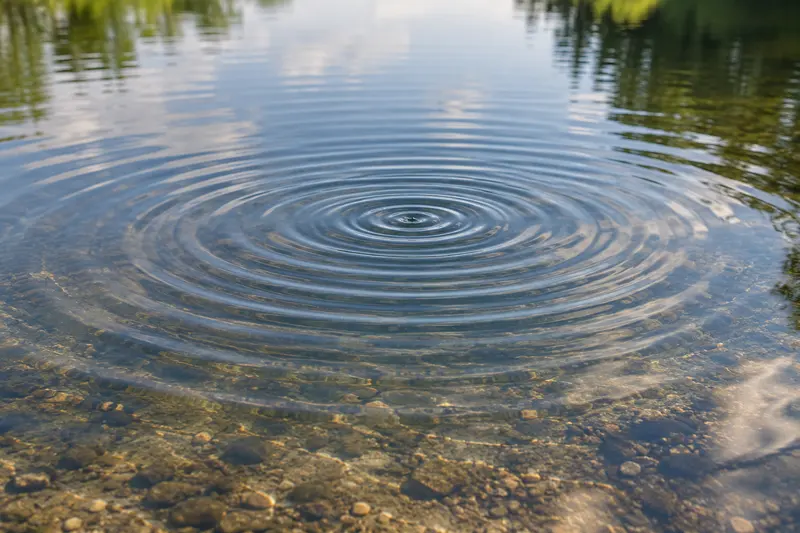
A ripple carries a disturbance across the surface. The pattern travelling outwards does not mean that each piece of water travels outwards with it.
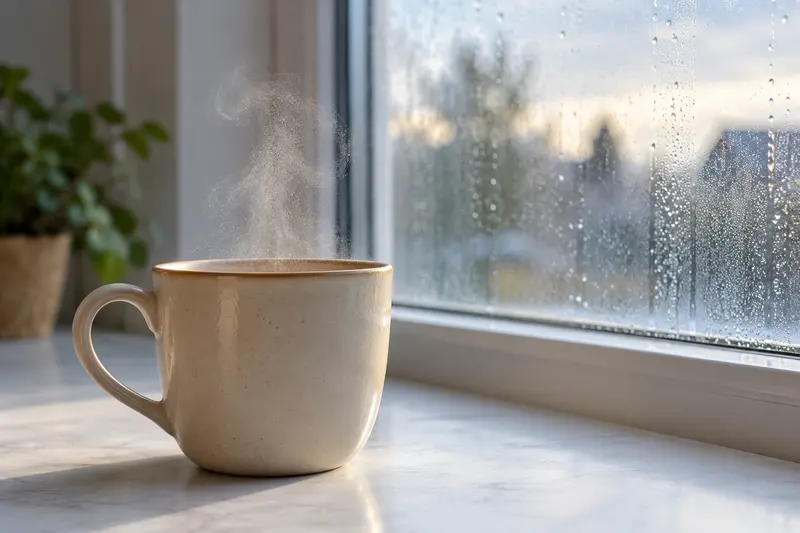
Water vapour is an invisible gas. The visible white mist consists of tiny liquid droplets formed as water condenses.